
France
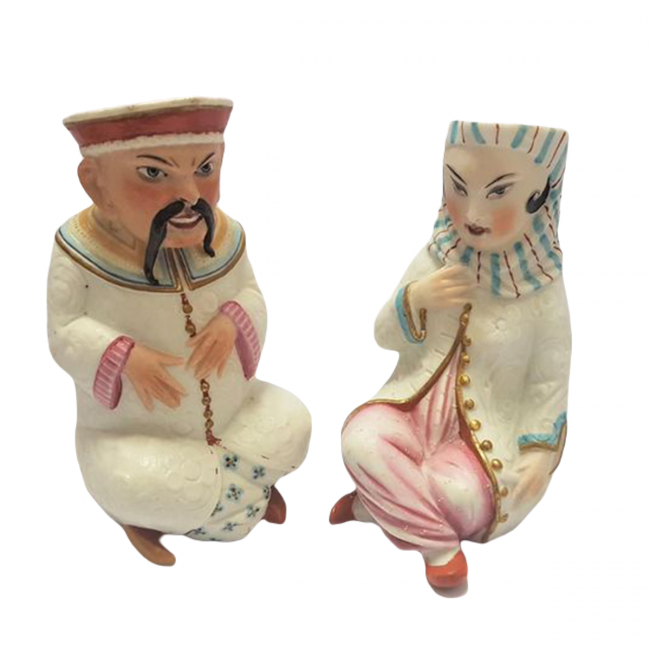
Pair of cups
Country: France Date of establishment: 1850 Sculptor: Jean Gille Size (cm): 12
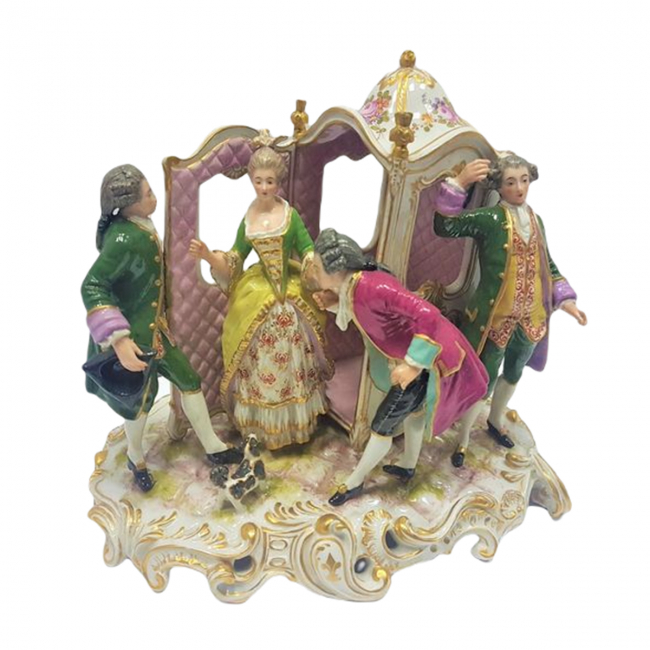
Arrival of the court lady
Country: France Manufactory: Porcelaine de Paris Date of establishment: end of the 19th century Size (cm): 25x30
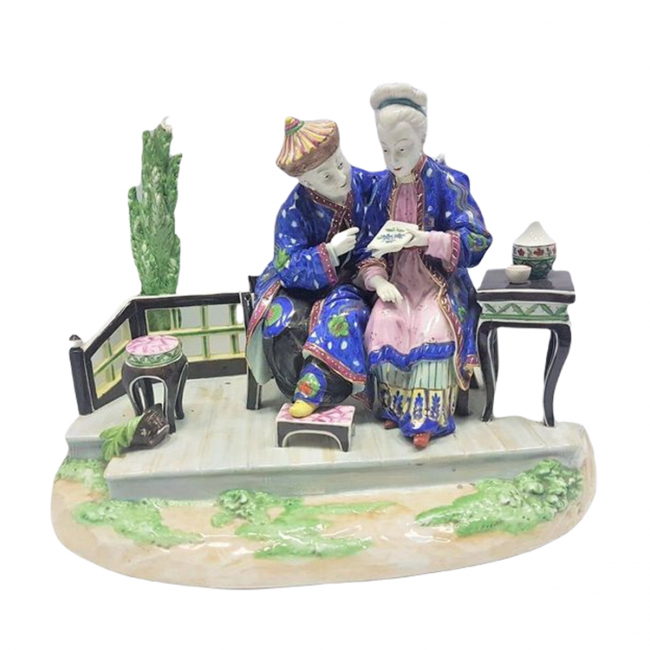
Chinese couple
Country: France Manufactory: Samson Date of establishment: beginning of the 20th century Size (cm): 24*36
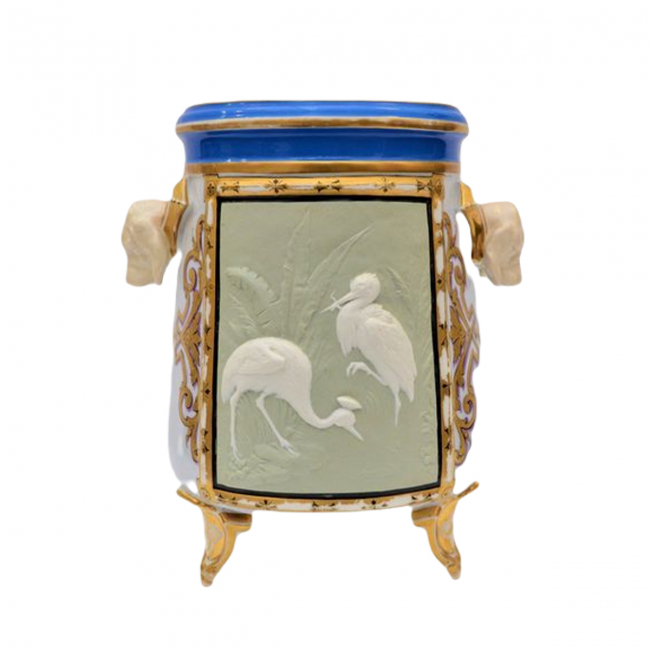
Vase
Country: France Date of establishment: XIX century Size (cm): 28*25
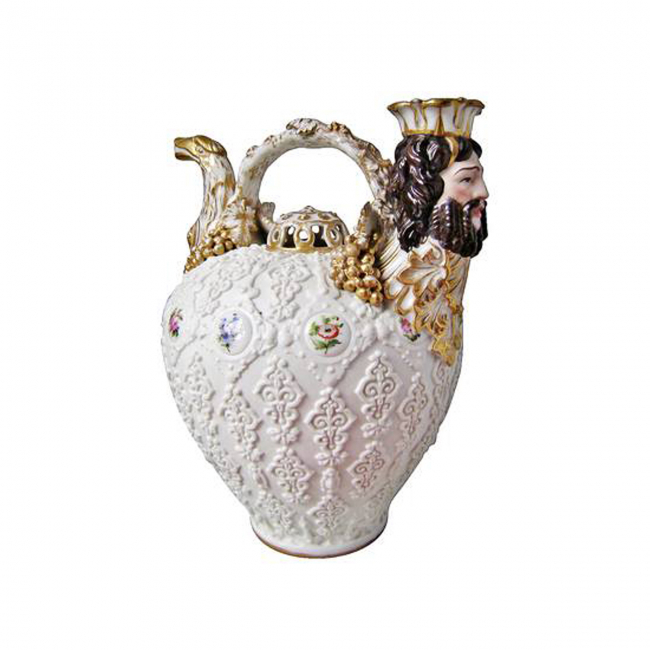
Antique Teapot
Country: France Date of establishment: 1840 Sculptor: Jacob Petit Height (cm): 23,5
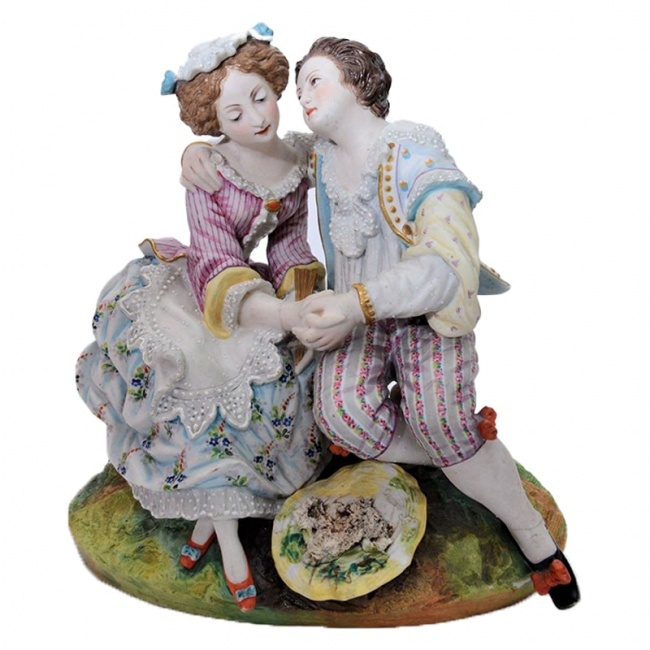
Lovers
Country: France Manufacture: Paris Date of creation: early 20th century Size (cm): 19x20
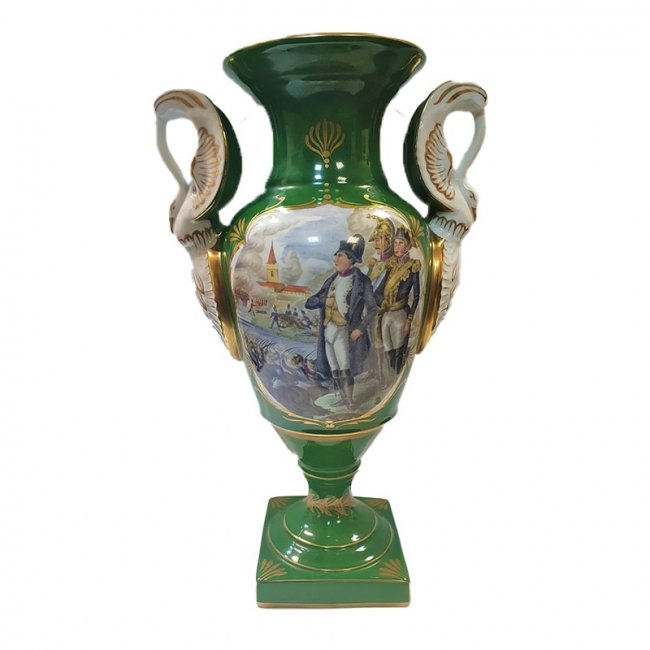
Vase
Country: France Date of establishment: XIX century Height (cm): 40
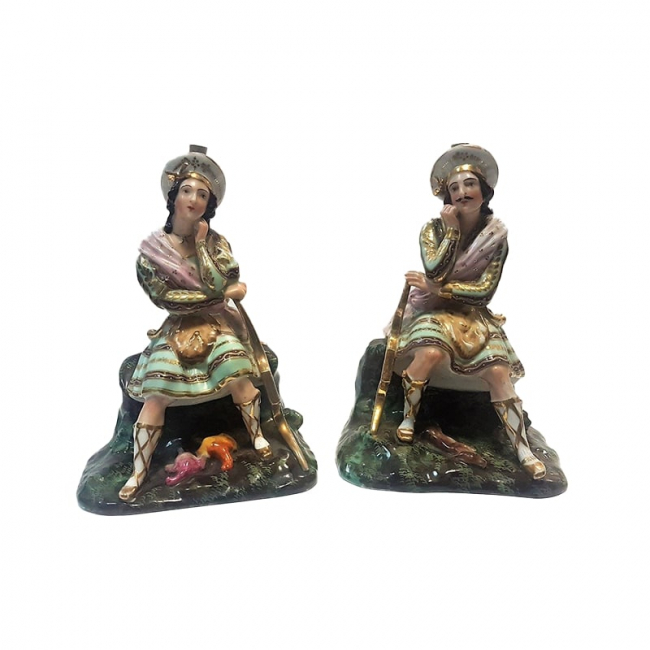
Hunters
Country: France Manufacture: Old Paris Date of establishment: XIX century Height (cm): 20

In France, as well as in other European countries, porcelain was imported from China for a long time. The finest oriental dishes of rare beauty first appeared on the tables of the nobility during the time of King Francis I, a well-known patron of the arts and a connoisseur of luxury. Porcelain products were very expensive; ships transported tons of silver to the East to buy them. Sets and vases that arrived from overseas ended up in the collections of French nobles and were inherited. For especially fragile items, even a frame made of precious metals was made.
After the founding of the French East India Company in 1664, imports of Oriental porcelain increased. Accordingly, the desire to imitate it increased too, which caused a real faience boom in the north of the country, Normandy. Having received royal privileges for the manufacture of white ceramics, the owners of the Rouen manufactory, the father and son of Poter, through experiments in 1673 created the first samples of soft porcelain with frit – crushed glass with the addition of metal salts. This additive reduced the sintering temperature of the clay mass, while making it possible to produce thin-walled and smooth products. In appearance, they were indistinguishable from Chinese porcelain, they were much inferior to it in strength. Frit porcelain from Rouen was called "French". Cobalt blue painting was also used for it, but the need for additional glazing of the shard was eliminated. The experiments of Rouen ceramists led to the opening of porcelain manufactories in other regions of France, in particular in the city of Saint-Cloud near Paris. This enterprise, which operated from 1666 to 1766, left a significant mark on the history of national thin-walled ceramics.
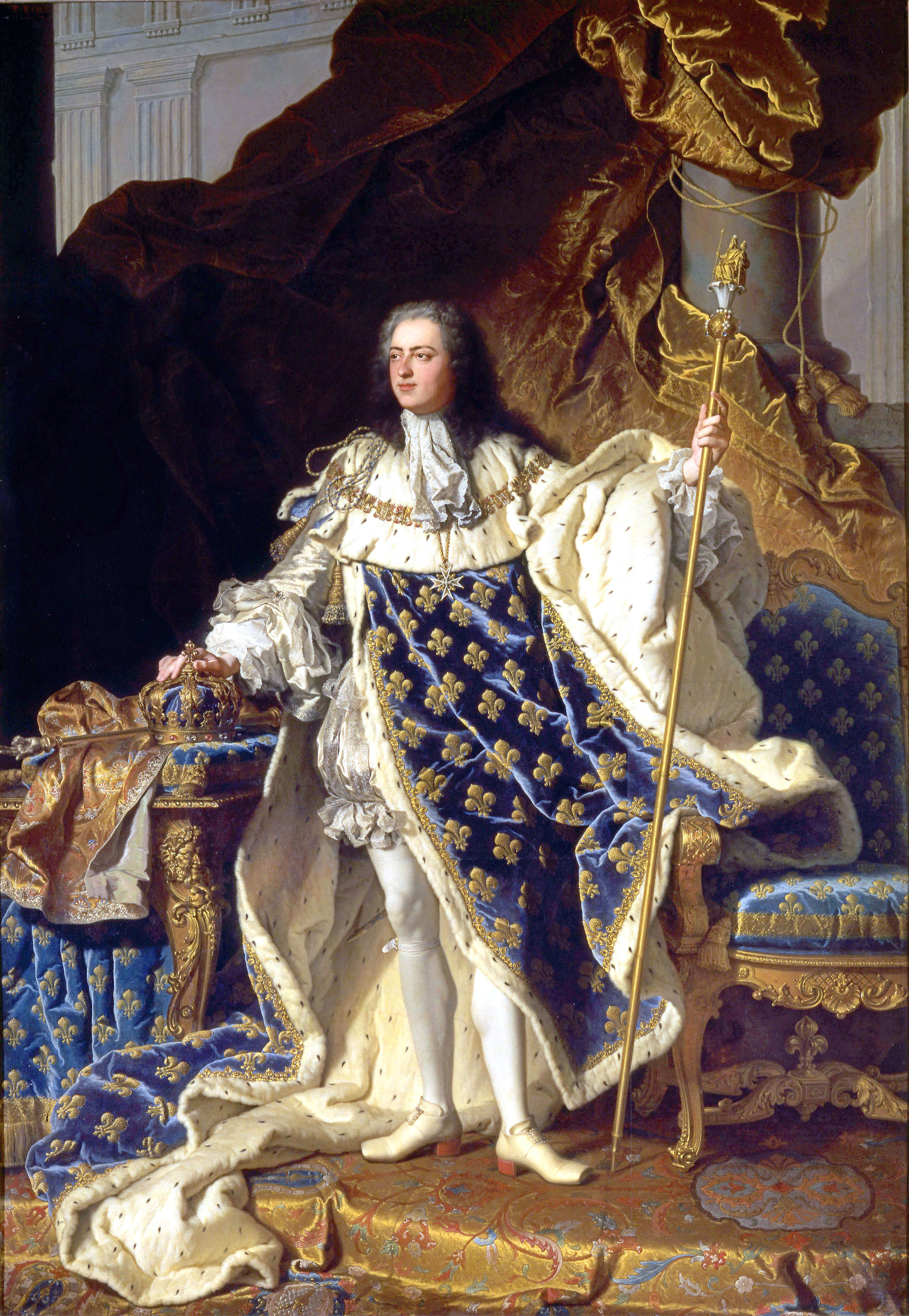
King Louis XV
French masters were able to discover the secret of making hard porcelain in 1735 thanks to the efforts of the Jesuit François Xavier d'Entrecolles, whose letters were sent from China to the priest Orry in Paris. Also, d'Entrecolles managed to transfer samples of natural materials to Europe for the research.
However, products from the frit mass in France were not immediately abandoned. In 1740, the porcelain workshop of Claude-Humbert Guerin opened on the territory of the abandoned Château de Vincennes, east of Paris. It was patronized by King Louis XV and the official favorite of the court, the Marquise de Pompadour. The Vincennes factory did not copy the oriental masters. Louis XV liked Meissen products more. In 1745, the factory was granted a royal privilege for the production of “Saxon pattern” porcelain with magnificent stucco decoration and multi-color painting, where gallant characteristic of Baroque and Rococo prevailed over Chinese themes. Giant vases (which later made Sevres famous all over the world) were first made at the Vincennes manufactory according to the sketches of the jeweler and sculptor Jean-Claude Chambellan Duplessis. Vincennes' products were generously covered with gold using a unique double firing technology that was not used anywhere else in Europe.
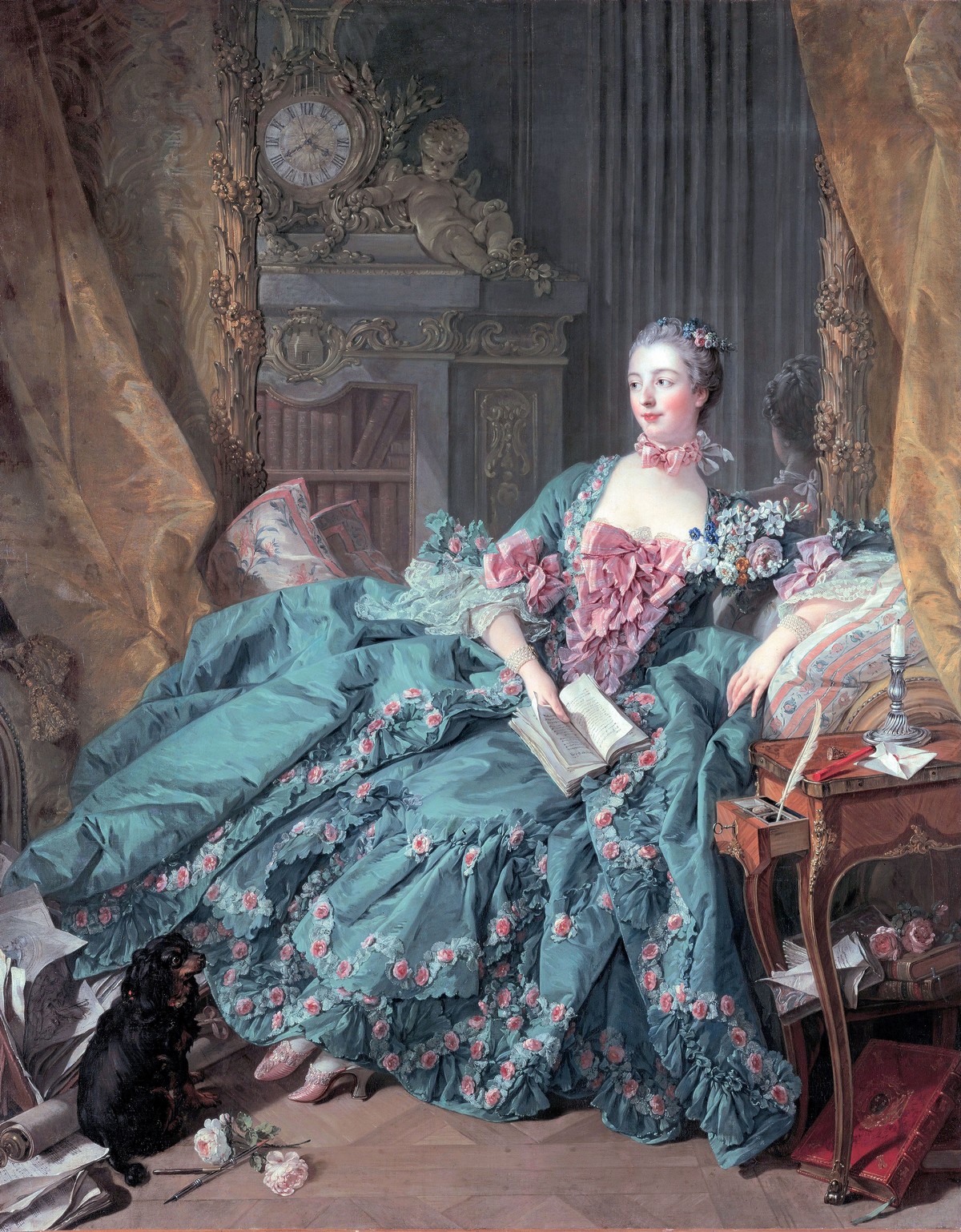
Marquise de Pompadour
Marquise de Pompadour has played an important role in the development of the Vincennes factory. It was she who insisted that the company receive a monopoly on polychrome decor, which immediately reduced the number of potential competitors. In 1756, the factory moved from the Château de Vincennes to Sevres, which was located in close proximity to the favorite residence of the Marquise. After the move, the manufactory became known as Sevres and received the status of the main supplier of His Majesty, having formed its own original style, gravitating towards lush, slightly heavy Rococo.
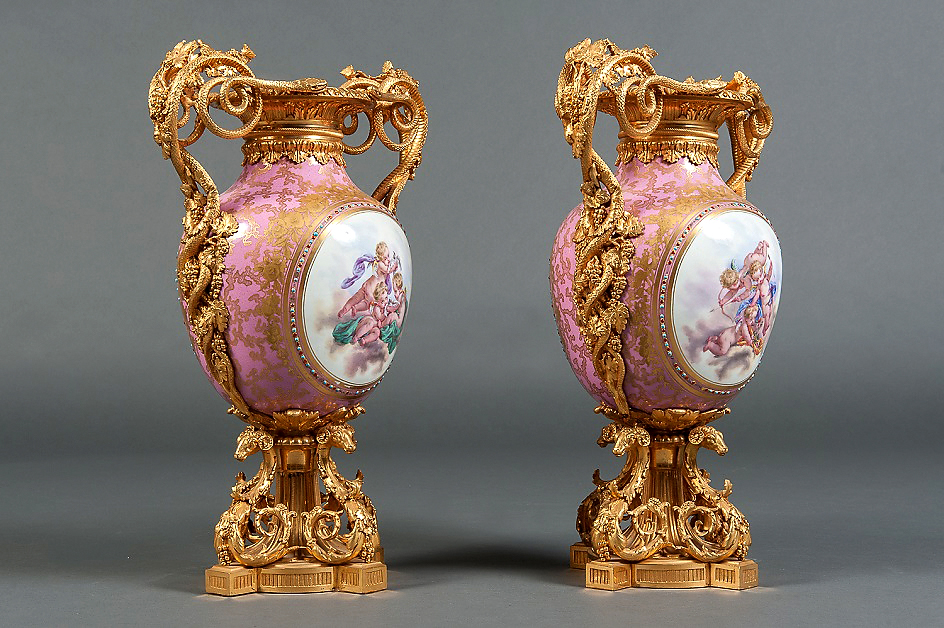
The royal favorite became the main customer of the factory, mainly buying the products decorated with voluminous flowers. The Marquise de Pompadour helped develop new colors. The most delicate shade was named after her "pink pompadour". Together with "yellow daffodil", "royal blue" and "apple green", she made up the signature color scheme. Madame de Pompadour made a lot of efforts to ensure that Sevres porcelain products compete with Meissen. She financed the factory, looked for talented chemists, artists and workers, supported experimental searches that led to the discovery of progressive technologies. During this period, a strong reputation of French porcelain was established in the world market for elite thin-walled ceramics. After the death of the Marquise in 1764, Sevres came under the patronage of her successor – the new favorite of the king, Countess Dubarry.
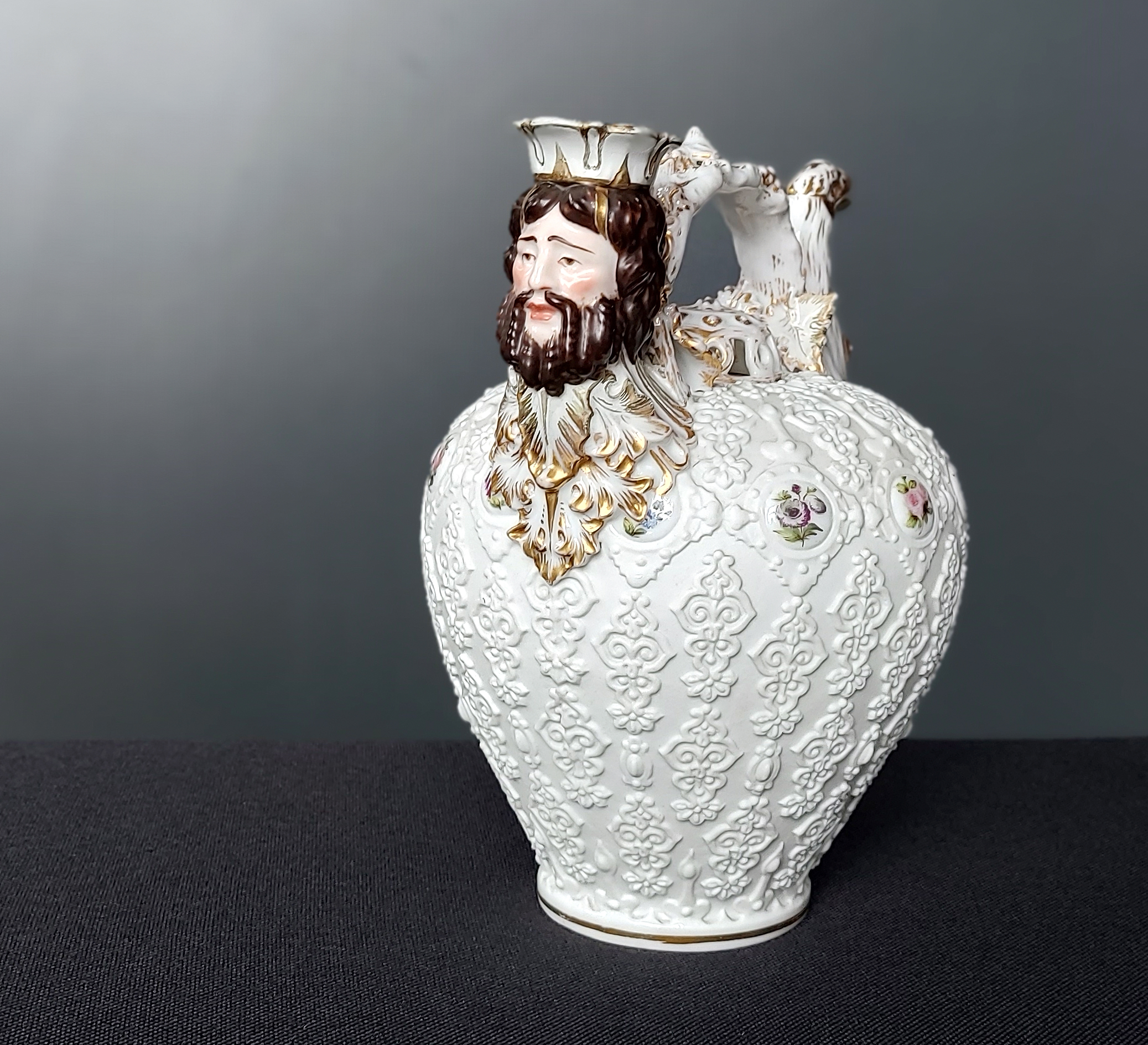
In 1767, deposits of kaolin and porcelain stone of the highest quality were discovered in the vicinity of Limoges. The discovery and subsequent development of deposits led to the emergence of numerous factories for the production of thin-walled ceramics. Based on the notes transmitted by d'Entrecolles, the Limoges enterprises were able to produce the first hard porcelain in France, not inferior to Chinese or Saxon. It was thanks to this deposit that Limoges was called to become the capital of porcelain in France.
In 1769, Louis XV took kaolin deposits under his control and ordered to supply a part of the kaolin to the Sèvres manufactory. The first Limoges factory, opened in 1771, was subsequently declared royal and turned into a subsidiary of Sèvres. However, the rest of the porcelain manufactories continued to develop independently and subsequently made the region the main competitor of the "brainchild" of the Marquise de Pompadour.
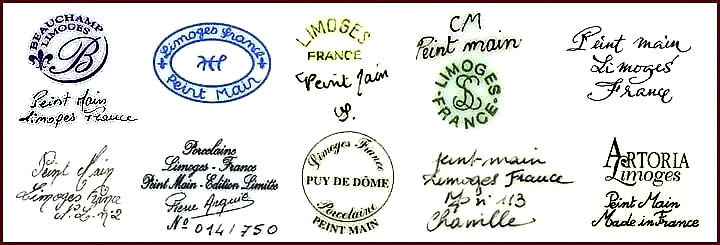
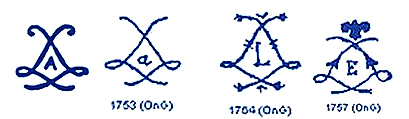
The heyday of Limoges production falls in the 19th century. Starting in 1836, factories that had previously been built in the suburbs began to be transferred to the cities. In the 1830s alone, 8 new porcelain factories were opened in Limoges. And by the middle of the 19th century, thanks to the activities of the American David Haviland, there were already more than 30 factories. It was he who managed to captivate Paris with the quality and sophistication of Limoges porcelain products. He also significantly developed the direction of decorating porcelain products on the spot, and expanded the range in accordance with the tastes of the American public. In 1853, the opening of the first factory took place, combining a workshop for the manufacturing of porcelain and a workshop for the decoration of porcelain products.
Today, French porcelain has two “faces”: Limoges offers functional high-quality tableware of the classical and modern trends, while Sèvres works only in the luxury goods segment, fulfilling single orders and presenting mainly traditional styles – baroque, rococo and empire.