Denmark
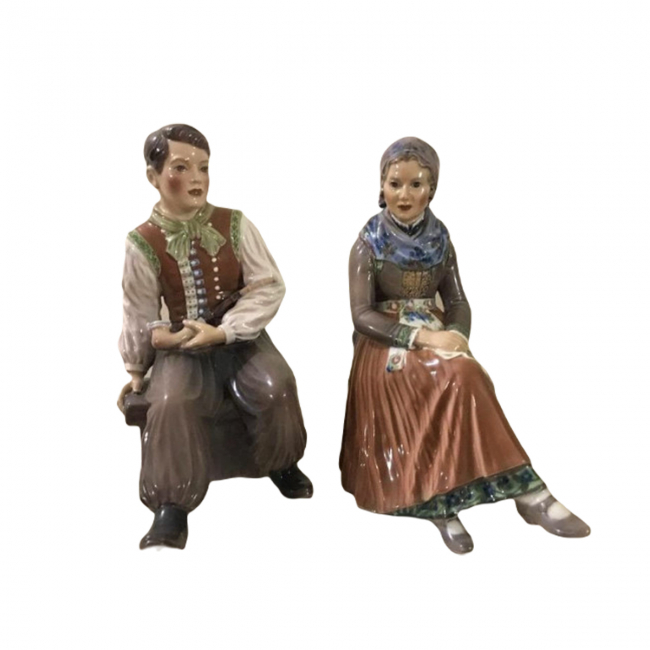
Before the holiday
Country: Denmark Manufactory: Royal Copenhagen Date of establishment: 1960s Size (cm): 25*14 Limited Series
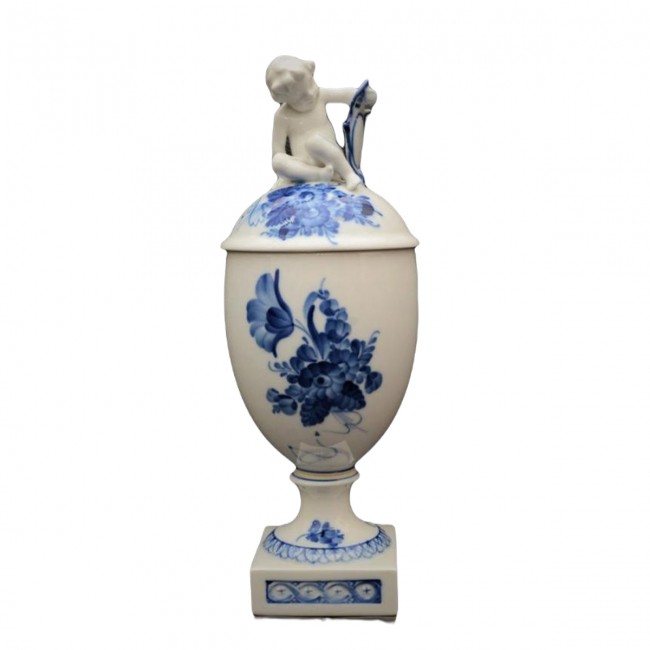
Cup
Country: Denmark Manufactory: Royal Copenhagen Date of establishment: mid-twentieth century Size (cm): 29*11
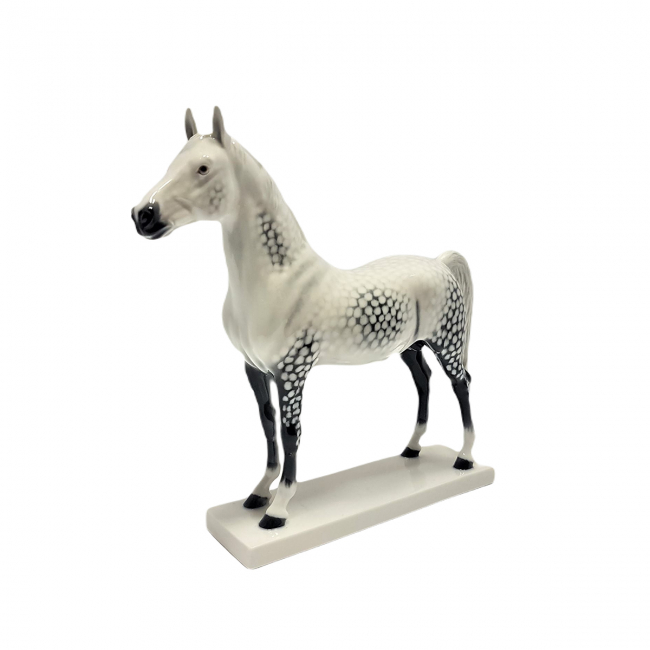
Arab horse
Country: Denmark Manufactory: Royal Copenhagen Date of establishment: 1960s Size (cm): 33*26
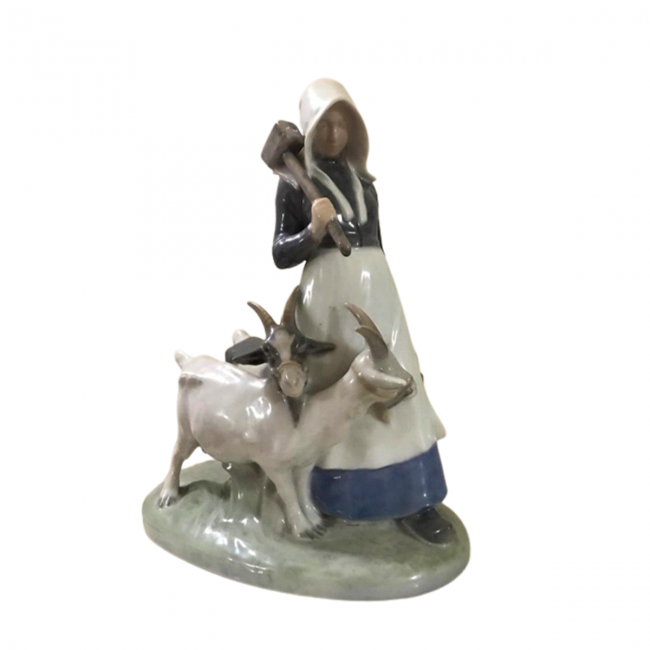
Al one on the Farm
Country: Denmark Manufactory: Royal Copenhagen Date of establishment: 1950s Size (cm): 22x12 Limited Series
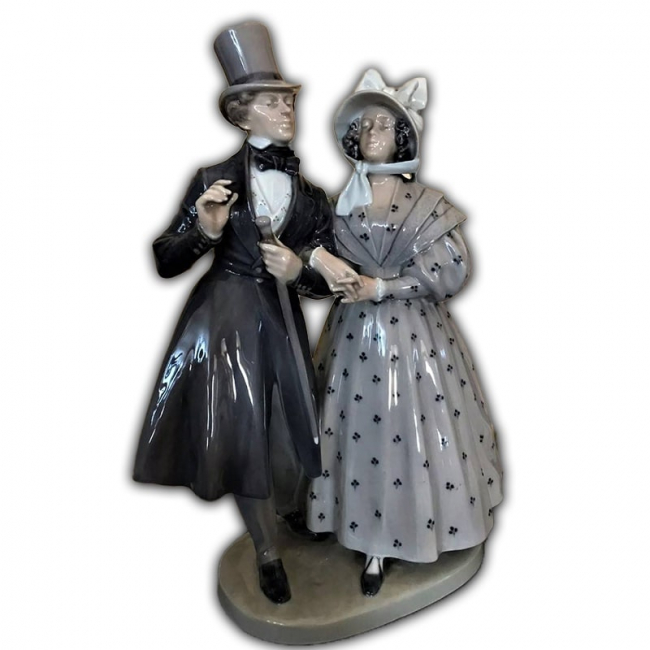
Travelers
Country: Denmark Manufacture: Royal Copenhagen Date of establishment: 1950s Size (cm): 43*16
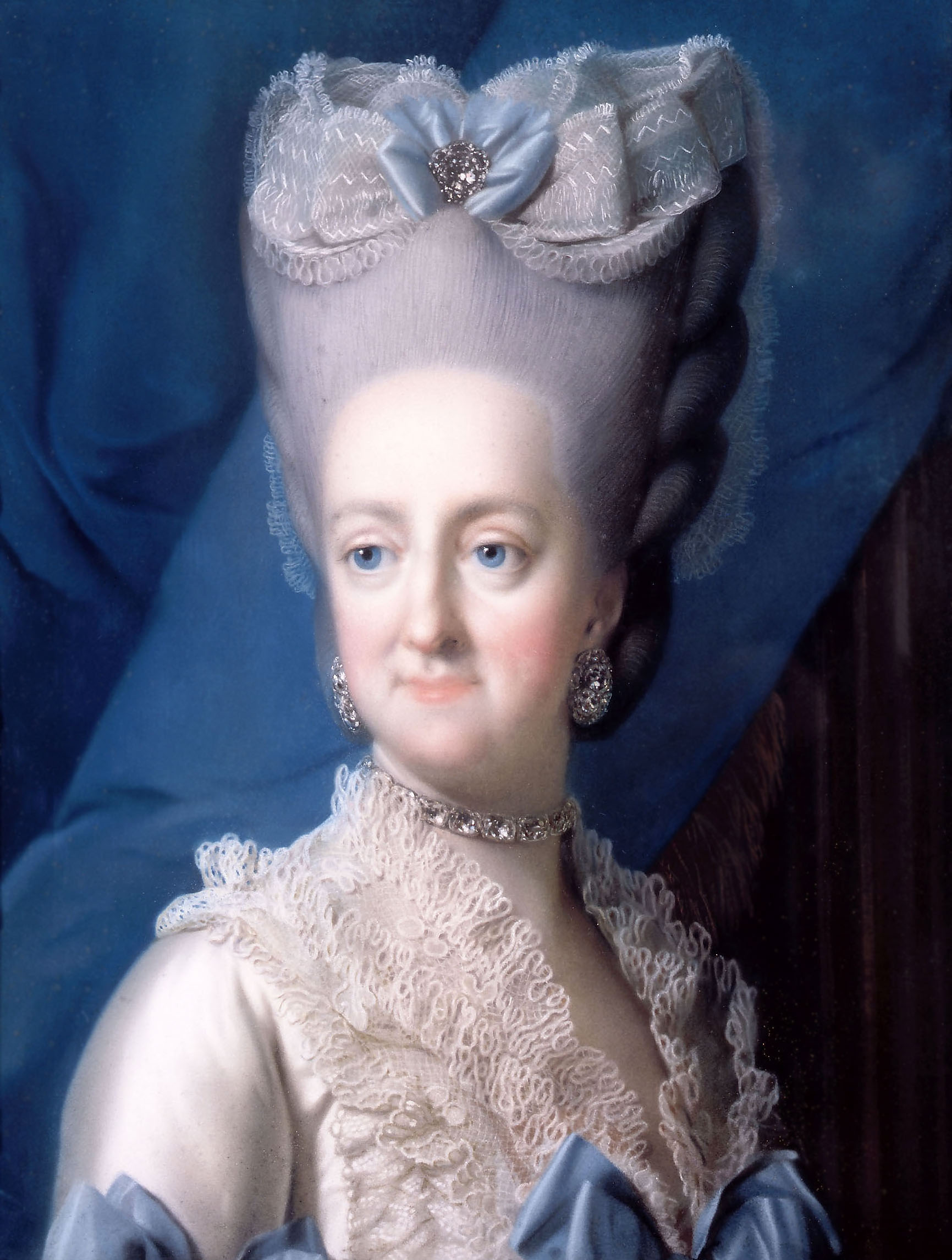
Queen of Denmark Juliana-Maria
Danish porcelain occupies a significant place in the history of European applied art. It is distinguished by bright artistic features and high quality.
The beginning of the history of the Danish porcelain manufactory "Royal Copenhagen'' dates back to 1775.
It was then that the best European manufacturers took care of finding a recipe for making high-quality porcelain. Their eyes were turned to the East. Porcelain brought from China – transparent, light, with an elegant pattern – excited the imagination of Danish artisans. The unique "formula" was once revealed to the pharmacist and mineralogist Franz Heinrich Müller, who was obsessed with the idea of creating porcelain. It was he who managed to develop the technology for the production of hard porcelain. Encouraged by the discovery, Muller found support in the person of Queen Juliana Maria of Denmark, and soon a porcelain factory appeared on the outskirts of Copenhagen. It became the sixth court porcelain manufactory in Europe. During the reign of the queen, much was done to develop and flourish porcelain art in Denmark. At that time, Meissen was rightfully considered the best manufactory in Europe. The Danes managed to negotiate with several masters and lure them to Copenhagen. Thanks to their knowledge, in the future, products of the Royal Copenhagen brand became highly valued by connoisseurs.

The first years the company suffered only losses. There was an active attraction of labor, training, and equipping the factory with necessities and raw materials. There were practically no sales. But gradually the capital grew, and about 40 thousand finished products accumulated in the warehouse. The first example of a table service was Blue Fluted – the blue-painted fluted porcelain. The model quickly became popular in Europe. In 1779, another service, the Blue Flower, appeared. The painting fully reflects the European style of that era. This service is still in production.
Fashion trends gradually changed, the assortment of the enterprise expanded. In the production of porcelain products, new technical and artistic possibilities were used, but all products invariably retained the nobility of the royal style. 1790 is considered the heyday of the Copenhagen manufactory. Porcelain was mainly ordered by aristocrats. Often the products were presented to foreign monarchs. Having porcelain vases, tea and coffee sets was a symbol of high social status. It was at this time that the unique ceremonial service "Flora Danica" appeared. The service was an illustration for the encyclopedia "Wild Plants of Denmark". Plates, cups, tureens were painted according to engravings from the botanical atlas, which was created by the Danish botany professor Eder. It included all the plants that grew at that time on the territory of the Danish kingdom; 2600 drawings of flowers, herbs and trees were applied by craftsmen to tableware made of amazing finest porcelain.

Later, the service was made again as a wedding gift to Princess Alexandra of Denmark and the English King Edward VII. "Flora Danica" is still produced and is considered one of the most expensive sets. This is truly one of the highest achievements of porcelain craftsmanship.
In 1820, the German architect Gustav Friedrich Hetz was appointed the artistic director of the plant, during which the production was updated. The period of the French Empire style has come. Porcelain began to be decorated with polychrome images of landscapes and flowers, as well as lush golden ornaments.
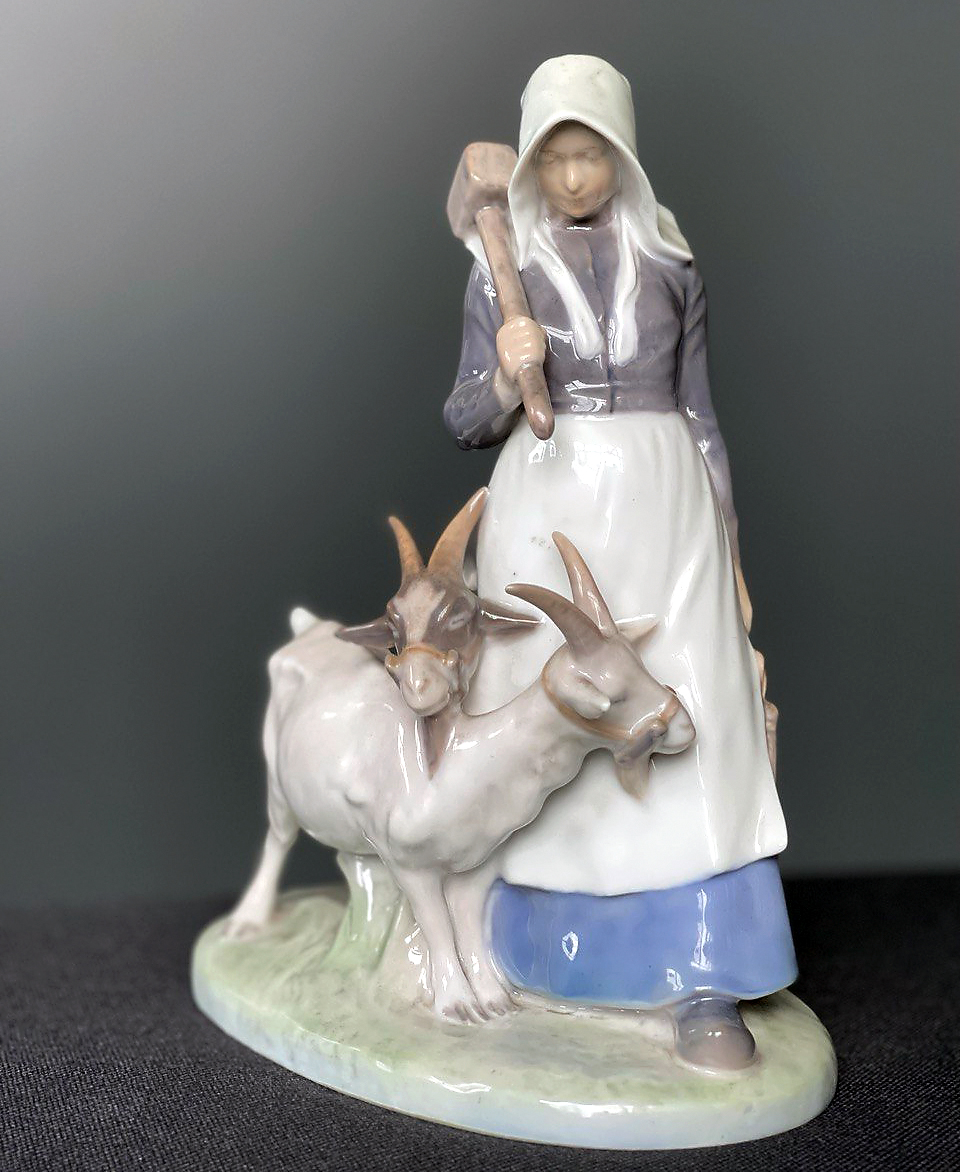
In 1868 the manufactory was privatized. The merchant Falk became its owner. Since then and until now it is a private enterprise that has changed several owners, but has maintained close ties with the royal family of Denmark.
In 1885, Arnold Emil Krogh came to the factory. He began to master new artistic techniques and organized an experimental workshop. A new technique was invented, according to which the paint was applied with a spray gun. The colors have become monochrome, but have not lost their expressiveness. This style was called "Copenhagen". In 1890, new underglaze colors appeared. They were shades of gray, brown, blue and green. The paints applied to porcelain products perfectly conveyed Danish nature and landscapes. The author's painting has become recognizable. At the end of the 19th century, the company began to produce miniature animal figurines. Until today, the original design is used in their production.
Throughout the 20th century, Danish porcelain enjoyed great popularity and was a leader in numerous exhibitions of arts and crafts. Plants and natural themes have remained popular for Danish porcelain throughout time. The palette of artistic painting was gradually enriched and became more diverse. Throughout the history of the manufactory, the blue color has been present in almost all collections of Royal Copenhagen porcelain. Cobalt blue and various shades of blue have become their passion, moreover, it has become the color of the brand, as well as a symbol of expression of the artists of the manufactory.
After a restructuring in 2002, the Royal Copenhagen factory moved from central Copenhagen to suburban Glostrup.