
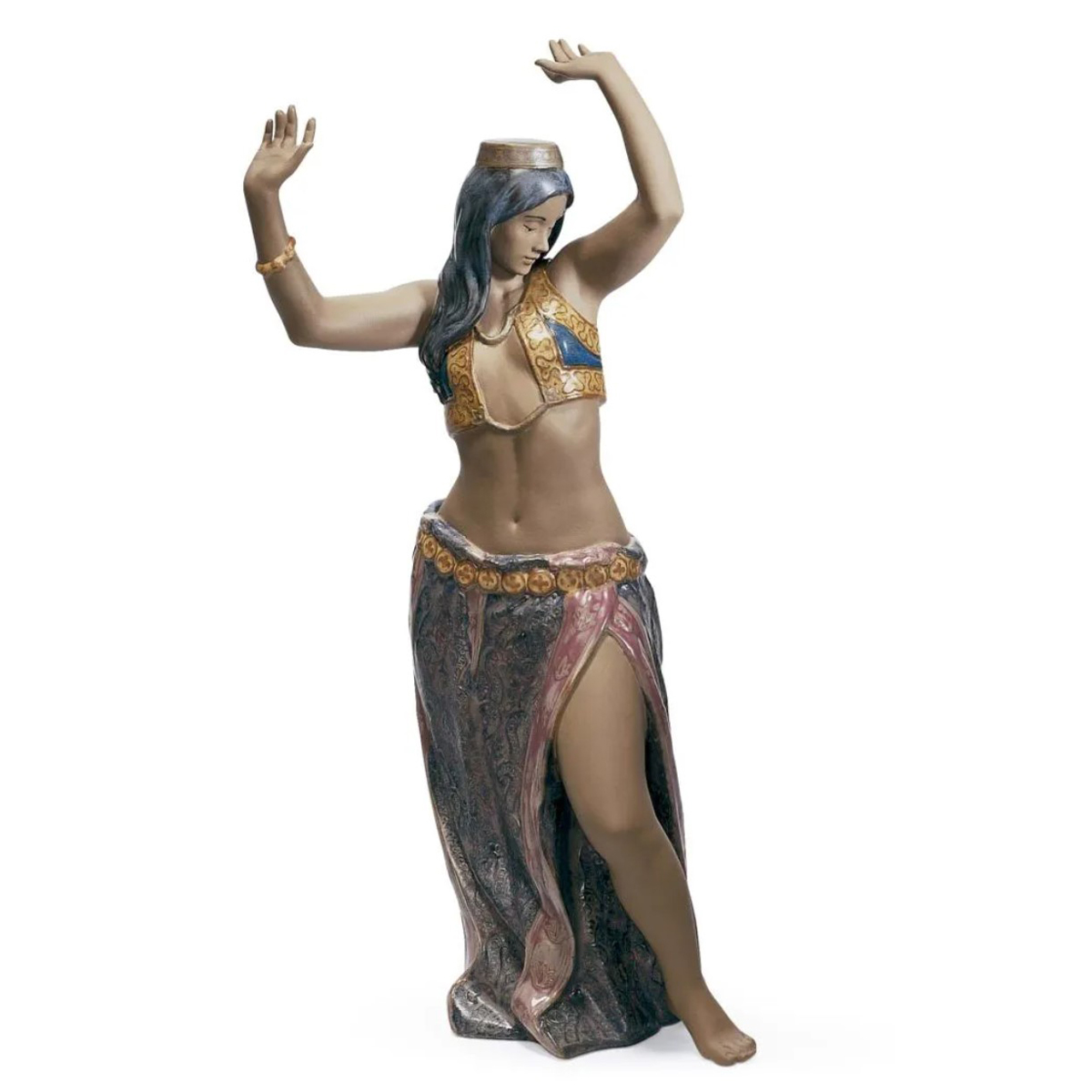
Country: Spain
Manufactory: Lladro
Date of establishment: 2005
Sculptor: Alfredo Llorens
Size (cm): 31*14
Porcelain Story
That's right they say: live a century - learn a century. I would never have even thought that the famous Brazilian city of Rio de Janeiro exactly 210 years ago became the capital of ... Portugal. It would seem, where is Portugal and where is Brazil. There are thousands of nautical miles between them. Between them the whole Atlantic Ocean lies. But after all, fate was destined to dispose of it in such a way that it was in 1808 that the Portuguese royal family, after the invasion of Napoleon's troops into their country, was forced to flee to Rio de Janeiro. And from that moment on, the city for a short time became the capital of the United Kingdom of Brazil, Portugal and the Algarve.
Over the years, I was lucky to visit Brazil (moreover, in Rio de Janeiro, and in the current capital of the country, the city of Brasilia), and in Portugal, and in the Algarve. The Algarve is an amazingly picturesque region in the south of Portugal, which I remember with white cozy fishing villages and beautiful bays where you can find entire colonies of pink flamingos. By the way, in one of these small towns on the ocean, I quite by chance came across a large and rather rare porcelain work presented to your attention today. It stood in the window of the local gift shop for many years. The owner of the store got used to it for a long time and was not going to sell it for anything. But she could not resist the perseverance of a true collector - and the figurine safely went to Kyiv.
The temporary capital of Portugal, the city of Rio de Janeiro, from which I began today's story, was discovered by the Portuguese exactly 500 years ago. This discovery is described in different historical sources in different ways. But many researchers still agree that the Portuguese navigators, who by that time had already discovered India for Europeans and were striving to establish strong trade ties with Asian countries, simply made a mistake, lost their way, which led them to such an outstanding discovery. And since all this happened at the end of January 1501, and since the Gulf of Guanabara, where the Portuguese ships approached, seemed to them a large river, they named the future city of Rio de Janeiro, which means ''January River'' in Portuguese.
The city did not immediately become a huge trading center and the capital of the Brazilian state. For several centuries, its fame spread throughout South America, and then throughout the world. From here, cane sugar, diamonds, coffee, and, of course, slaves were brought to Europe. And already at the end of the 19th - beginning of the 20th centuries, Rio de Janeiro also became a world famous center of tourism. Travelers who have visited it will forever remember the famous mountain called ''Sugar Loaf'', and the equally famous beaches of Copacabana, where many legendary Brazilian stars began their journey into big football, and the giant statue of Christ the Savior on Mount Corcovado, considered by many to be one of the new seven wonders of the world.
Concluding this excursion into the historical past of the legendary Brazilian city, inspired by the presentation to your attention of the beautiful image of a porcelain dancer, I want to wish today's birthday people goodness and happiness.
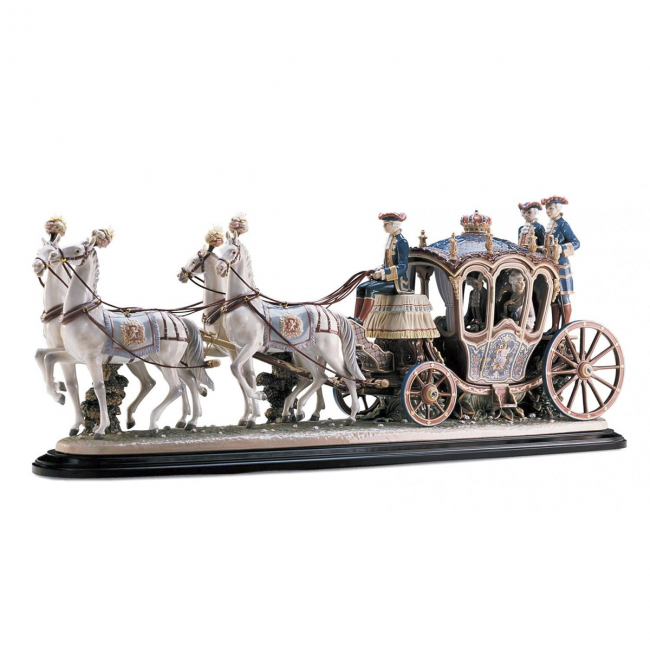
18th century carriage
Country: Spain Manufactory: Lladro Date of establishment: 1985 Sculptor: Francisco Catala Size (cm): 45*113 Limited Series
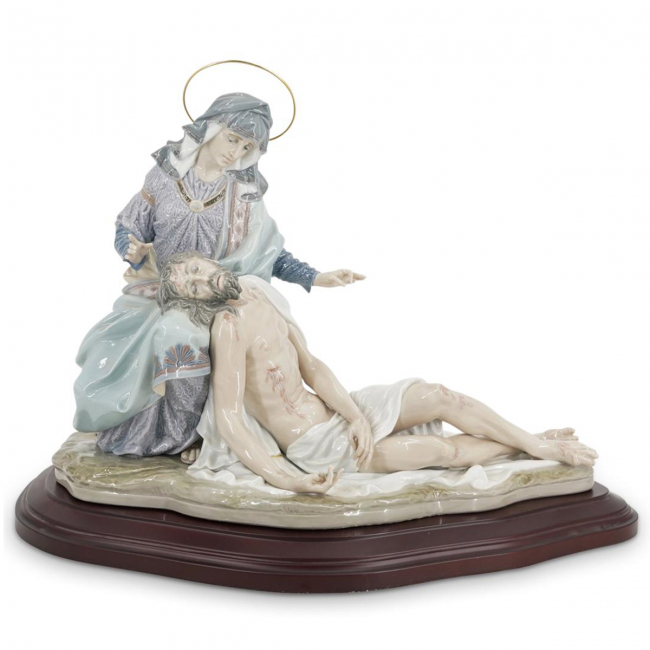
Mother of God and Jesus
Country: Spain Manufactory: Lladro Date of establishment: 1992 Sculptor: Salvador Furio Size (cm): 36*49 Limited Series
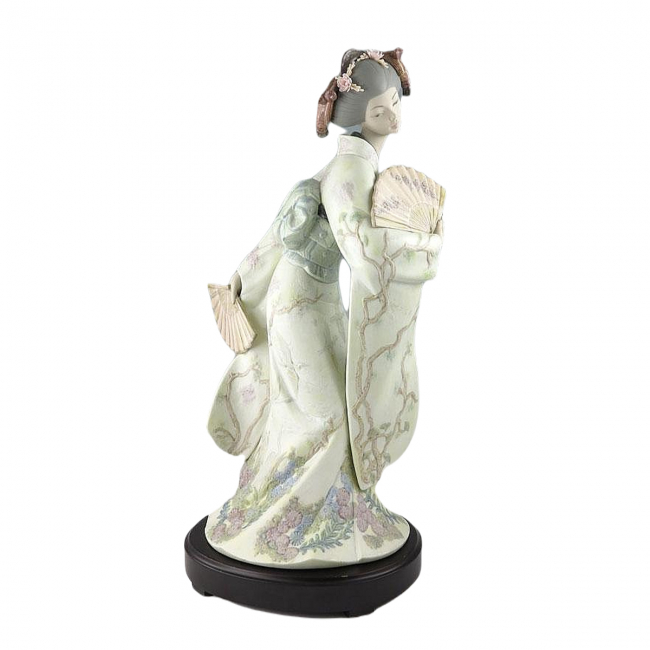
Japanese elegance
Country: Spain Manufactory: Lladro Date of establishment: 2005 Sculptor: Jose Puche Size (cm): 52,5*25 Limited Series
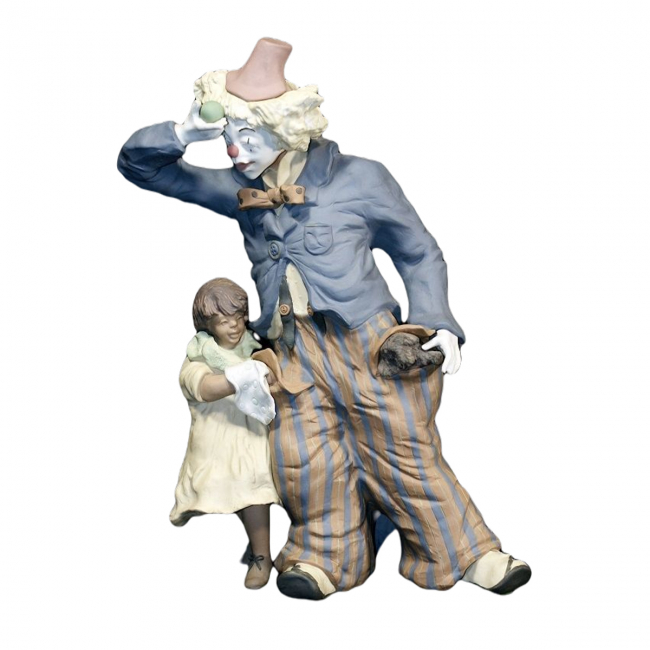
Clown jokes
Country: Spain Manufactory: Lladro Date of establishment: 1991 Sculptor: Enrique Sanisidro Size (cm): 37*29 Limited Series