
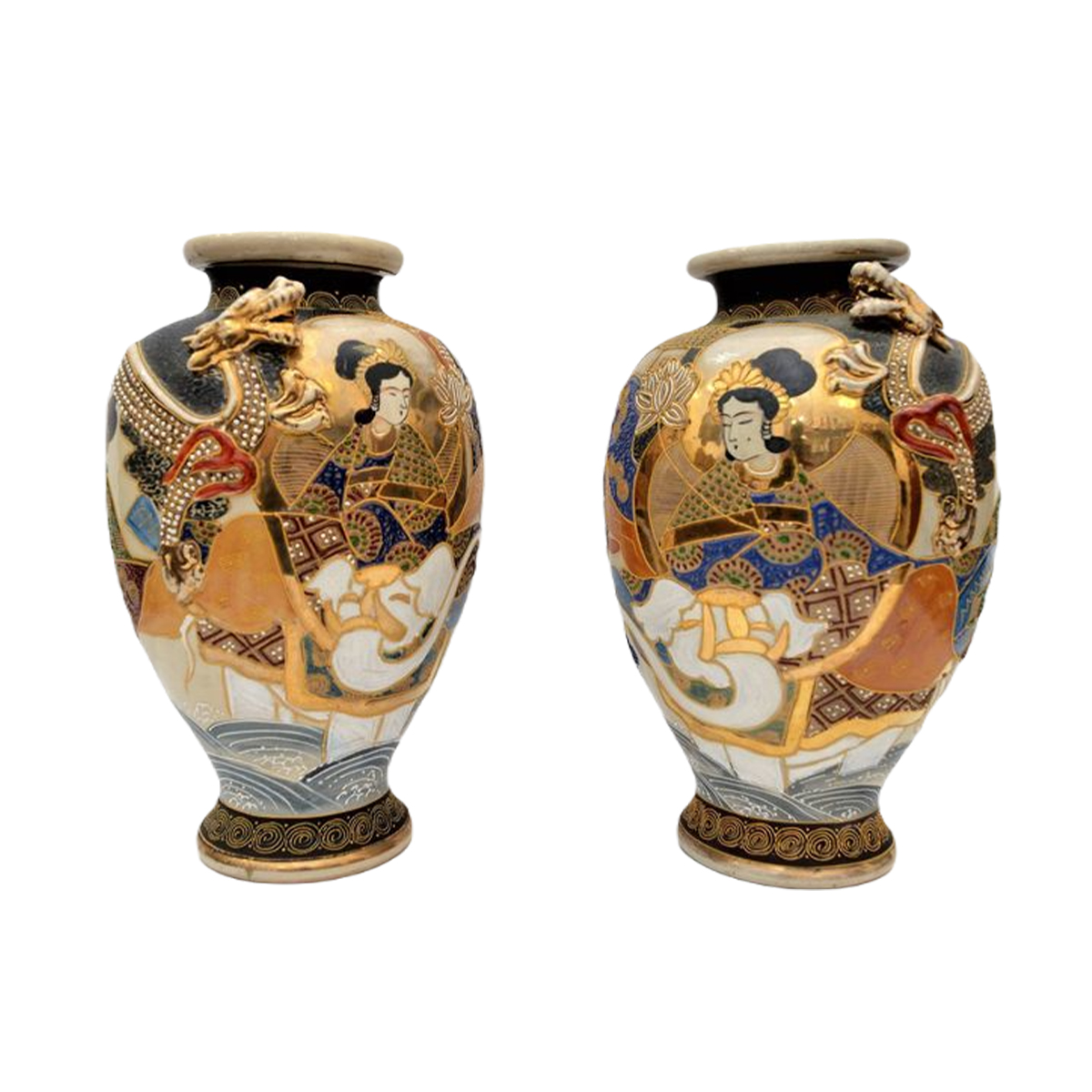
Country: Japan
Manufactory: Satsuma
Date of establishment: the beginning of the twentieth century
Size (cm): 28х19
Porcelain Story
I was lucky enough to buy these Japanese vases of Japanese Satsuma right on the street. Yes, right on the street of the small French city of Rennes, where, together with fellow journalists, we arrived at the away match of Dynamo Kyiv with a local team.
Actually, this happens very rarely. But sometimes it still happens. After a short tour through the medieval streets of the old town, we went to the local food market to look at the fresh morning catch delivered to the stalls directly from the sea coast. From the abundance of the wealth of the underwater world, the eyes simply ran up. However, not all. For example, having already developed over many years of collecting porcelain, I somehow caught on that where there is a city market, there should also be an antique ''flea'' layout. And I wasn't wrong. Around the corner, sitting at an old wooden table, two auspicious-looking old men had been drinking fine French wine since morning. Next to them, there was nothing but books yellowed from time to time, and children's toys, which, judging by their age, Napoleon Bonaparte himself could have played with, and ancient porcelain dishes.
"Japan? Satsuma?" - I dared to disturb the blissful state of the elders who had just sipped the wine with a question.
"Do you know what Satsuma is?" They asked in surprise.
"Yes, I know what Satsuma is."
If these intelligent antiques dealers could even glance at the almost one hundred of the rarest Japanese vases collected in our collection, they would easily determine that most of these unique pieces belong precisely to the Kyo-Satsuma technique. This was the heyday of the Satsuma-style porcelain produced in the Kyo-Yaki pottery near the city of Kyoto, which I had the good fortune to visit.
Introduced at the very end of the Edo period, Satsuma porcelain soon became famous throughout the world. At the courts of French kings and Saxon electors, Satsuma dishes and vases were worth their weight in gold. By the way, they were similar to gold, because they were distinguished by a special painting technique, the so-called ''brocade'' painting. One of the most famous representatives of the Kyoto masters was a certain Sobei, who took the surname Kinkozan, which literally translates from Japanese as ''golden brocade''. It was his works, brought to the World Exhibition in Paris in 1867, that became the subject of sensational discussion. And after that, they would still ask me if I know what Satsuma is...
I have never bought a Satsuma so inexpensively before. Either the sellers were impressed by my knowledge of the history of Japanese porcelain. Either the wine ending in a bottle pushed them to ensure that the auction did not drag out for a long time. Soon we shook hands - and to these two vases (almost for a nominal fee) another vase was added - French, of the era of Napoleon III. Miracles, it turns out, still happen.
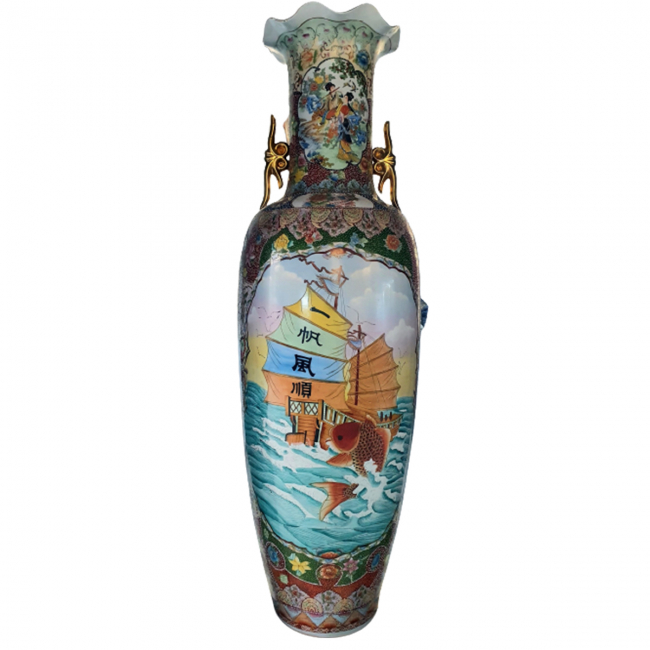
The Vase
Country: Japan Date of establishment: Early twentieth century Height (cm): 160
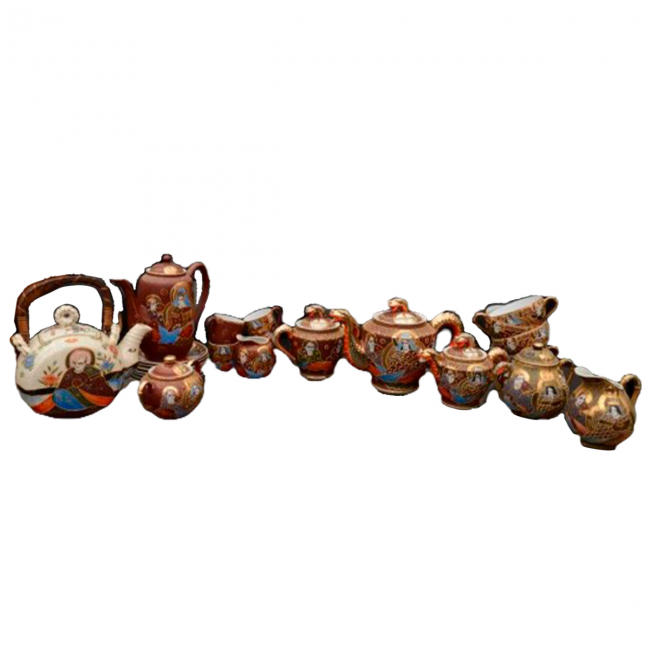
Tea and coffee services
Country: Japan Manufactory: Satsuma Date of establishment: the end of the 19th - the beginning of the 20th century
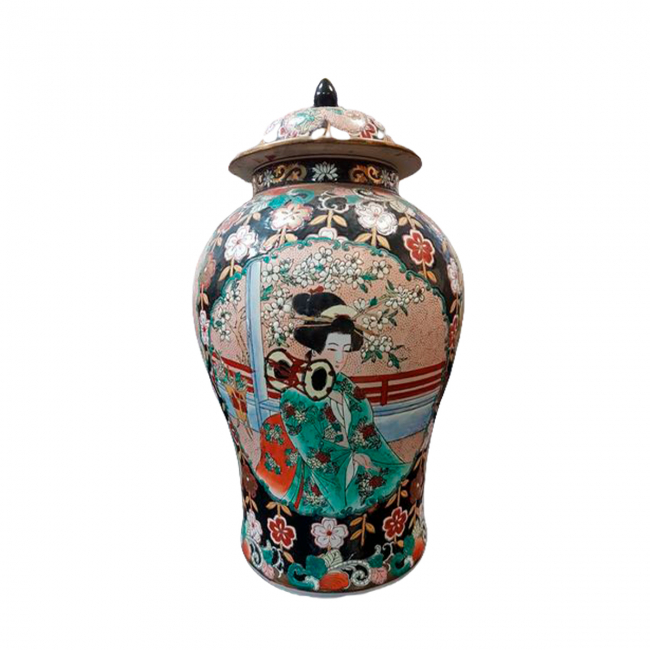
Vase
Country: Japan Manufactory: Satsuma Year of establishment: end of the 19th century Size (cm): 48*28
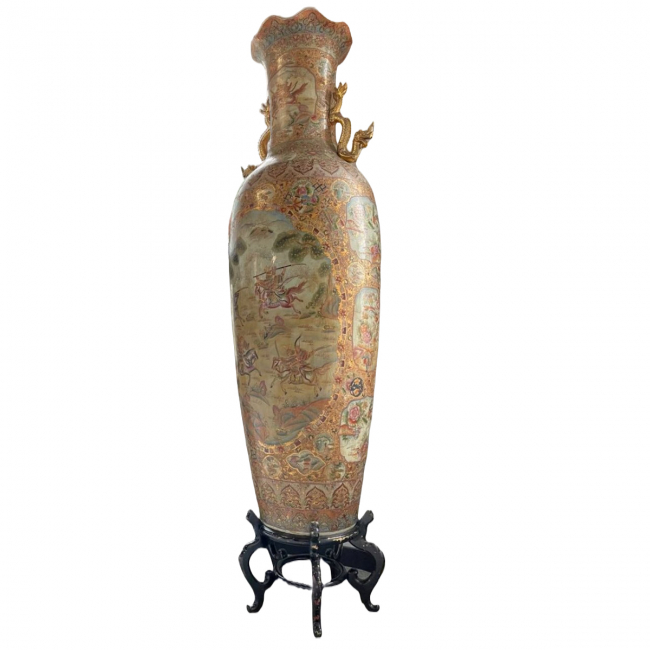
Imperial vase
Country: Japan Date of establishment: XVIII century Height (cm): 180