
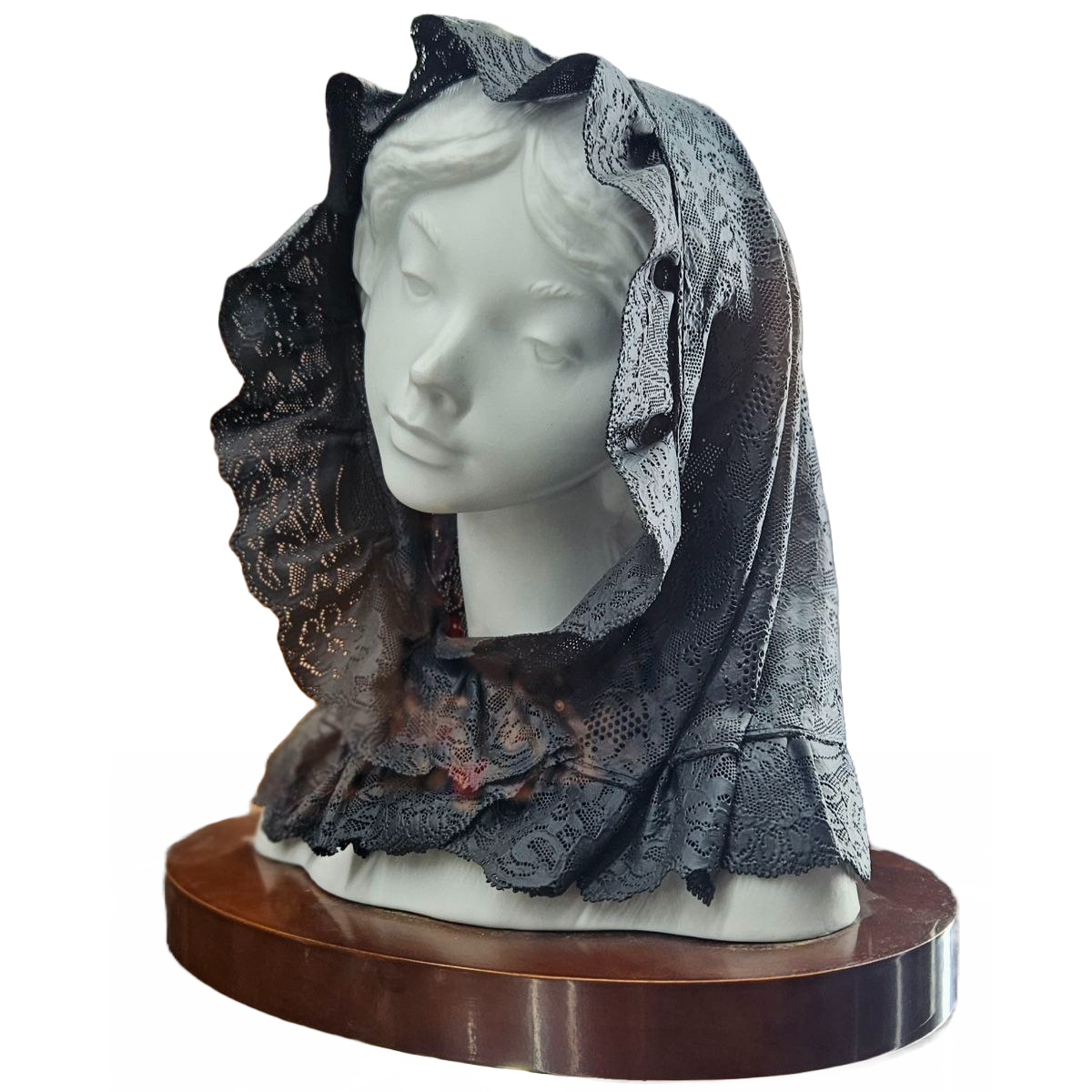
Country: Spain
Manufactory: Lladro
Date of establishment: 1989
Sculptor: Design & Decoration Dept
Height (cm): 24
Porcelain Story
During my travels in Italy and France, my wife, my children and I often heard the name Catherine de Medici. Catherine de Medici was born in Florence in 1519. She was the daughter of Duke of Urbino Lorenzo II de' Medici and a French Bourbon princess Madeleine de la Tour d'Auvergne. At the age of 14 Catherine was given in marriage to the Duke of Orleans, who later became King Henry II of France. A true representative of the Medici dynasty, Catherine was always power-hungry, but historians most often recall her as the instigator of the Night of Bartholomew.
At first Catherine de Medici had little influence at court, but that all changed with the king's death in 1559. She was often called the "black queen", because after her husband's death she wore black in mourning for nearly 30 years. Catherine became regent of her sickly and weak son Francis II and effectively gained power over the whole country, which was on the brink of civil war. Through intrigue, Catherine was able to successfully deal with her enemies, the first on the list of which was her husband's favourite, Diana de Poitiers.
It is to Catherine de Medici that the tragedy of Bartholomew's Night is credited. One part of the French population, including the royal family, adhered to Catholicism and the other to Protestantism (French Protestants were also called Huguenots). According to the generally accepted version, Catherine set a trap for the Huguenot leaders by inviting them to the wedding of her daughter and Henry of Navarre. Exactly 450 years ago, on the night of August 24, 1572, a wave of violence swept the streets of Paris, the victims of which were about 10,000 Huguenots. However, there is a theory that the Medici may not have known about the plot being prepared. Having taken full responsibility, she thus decided not to admit her loss of control of the situation in the country.
It is now difficult to say whether the true image of Catherine de Medici has come down to us or whether it has been greatly distorted by her enemies in the course of history. Little is known today that Medici was also a great connoisseur of art and a patron of the arts. She was responsible for the construction of the famous Tuileries Chateau and the new wing of the Louvre. She also collected rare ancient manuscripts. It was with Catherine de Medici's light hand that the French came to love ballet and women discovered the fashion of wearing corsets and lingerie.
Catherine de Medici is often described by historians as a self-sacrificing mother, even despite the ways in which she supported her royal sons Francis II, Charles IX and Henry III.
She died at the age of 70, never having witnessed the complete collapse of her life's work. The last of her 10 children, Henry III was murdered shortly after her death and so the historical thread of the Valois dynasty came to an end...
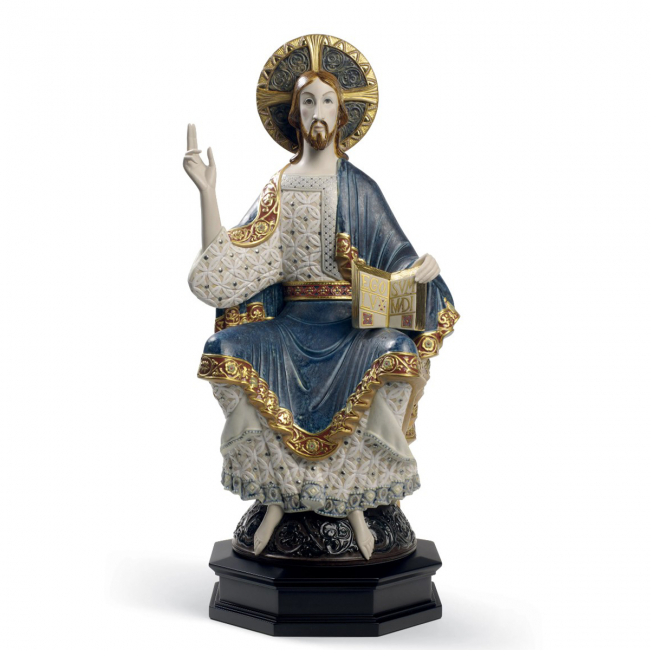
Pantocrator
Country: Spain Manufactory: Lladro Date of establishment: 2012 Sculptor: Joan Coderch Size (cm): 59*20 Limited Series
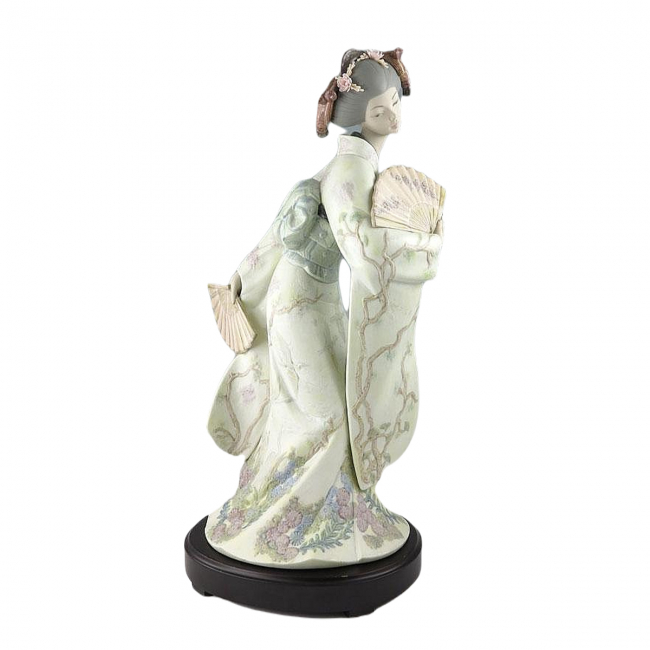
Japanese elegance
Country: Spain Manufactory: Lladro Date of establishment: 2005 Sculptor: Jose Puche Size (cm): 52,5*25 Limited Series
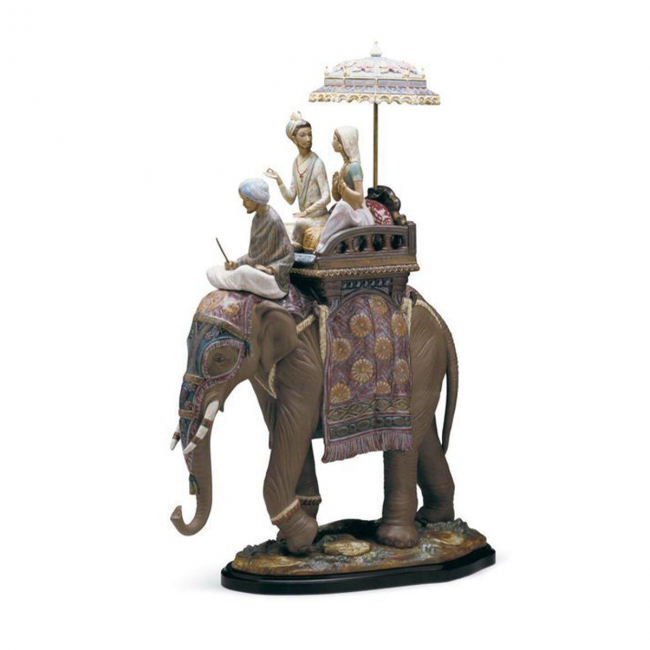
On the road to Mandalay
Country: Spain Manufactory: Lladro Date of establishment: 1982 Sculptor: Vicente Martinez Size (cm): 53*34 Limited Series
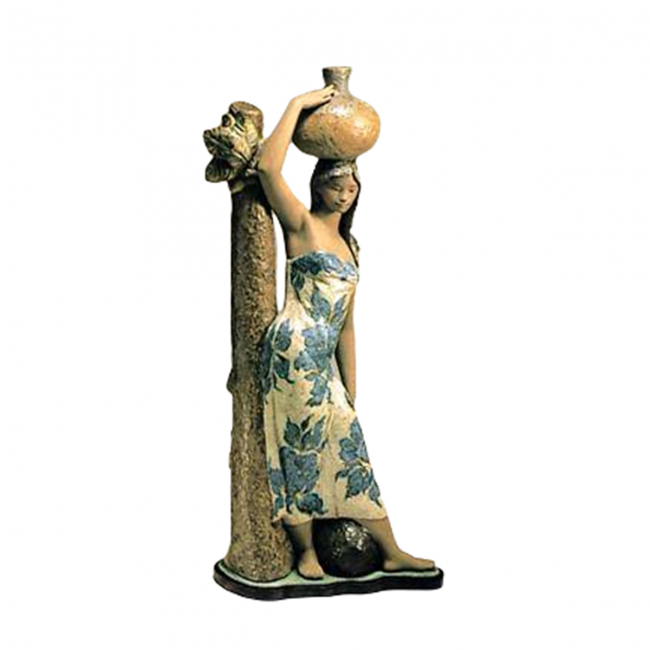
Tahitian
Country: Spain Manufactory: Lladro Date of establishment: 1971 Sculptor: Fulgencio Garcia Size (cm): 120 Limited Series